
Eine Forscherin, drei Wege.
Eine fiktive Sparring-Session als Use Case. Eine Arachnologin bringt 22 Jahre Spinnen-Biomasse-Daten mit und sucht ein Format. Drei Optionen, eine Tradeoff-Matrix, eine ehrliche Empfehlung.
Eine Forscherin, drei Wege.
Eine fiktive Sparring-Session als Use Case. Eine Arachnologin bringt 22 Jahre Spinnen-Biomasse-Daten mit und sucht ein Format. Drei Optionen, eine Tradeoff-Matrix, eine ehrliche Empfehlung.
Zwei Stunden, in denen ein Problem schärfer wird.
Was dieser Service ist
Sparring als Service: an deinem Tisch sitzen, deine Daten verstehen, drei realistische Wege ausformulieren und eine begründete Empfehlung aussprechen. Du entscheidest danach, was zu dir passt, mit oder ohne mich am Bau.
Diese Subpage zeigt eine solche Session am Beispiel einer Arachnologin mit Schweizer Spinnen-Biomasse-Daten. Die Forscherin ist fiktiv. Der Rückgang ist real und in der Literatur dokumentiert. Die Session ist eine Skizze davon, wie Sparring konkret abläuft.
Dialog
Sechs Fragen, sechs Antworten
Optionen
Drei Wege nebeneinander
Tradeoff
Sieben Kriterien, ehrlich gegenüber
Empfehlung
Begründet, mit klarer Position
Wofür passt es, wofür nicht
- Forschungsergebnisse, die in der Öffentlichkeit ankommen sollen
- Organisationen mit Budget für eine, aber nicht für drei Optionen
- Themen, bei denen du noch nicht weisst, welches Format passt
- Projekte, bei denen du eine zweite Perspektive willst, nicht nur Ausführung
- Aufträge, bei denen Format und Inhalt bereits feststehen
- Themen ohne klare Datenbasis
- Projekte, die nur Bestätigung der eigenen Idee suchen
- Vermittlung, bei der Ehrlichkeit unerwünscht ist
Die Ausgangslage
Dr. M. (fiktiv)
Webspinnen-Biomasse CH-Mittelland
22 Jahre Transekte · -40 %
Format gesucht
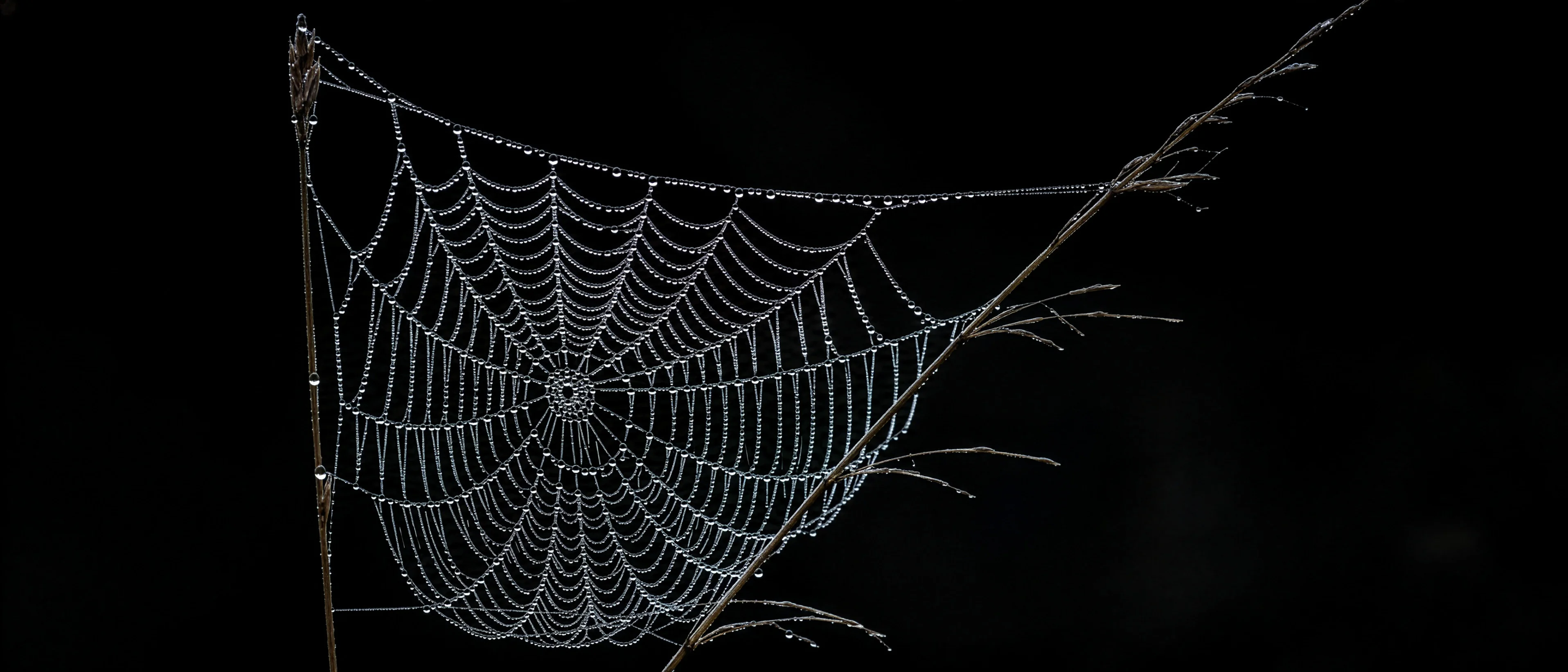
Eine Arachnologin an einer Schweizer Hochschule hat über 22 Jahre Webspinnen in transektartig erfassten Standorten im Mittelland gezählt und biomass-gewogen. Garten-Kreuzspinnen, Brückenspinnen, Wolfspinnen, Krabbenspinnen. Spinnen leben von Insekten, ihre Biomasse spiegelt das Beuteangebot.
Ihre Auswertung zeigt einen Rückgang der Spinnenbiomasse von rund 40 Prozent über zwei Dekaden, regional unterschiedlich, mit klarer Korrelation zum dokumentierten Insekten-Rückgang in der Schweiz. Das Paper ist im Review. Die Hochschule sucht ein Format für eine breitere Öffentlichkeit. Politik wäre wünschenswert.
Sie kommt in die Sparring-Session mit klaren Daten, einer offenen Frage zum Format und einer ehrlichen Sorge: nicht trivialisieren, aber auch nicht im Fachblatt verstauben lassen.
Erst zuhören, dann zeigen
Eine Sparring-Session beginnt mit Fragen, nicht mit Folien. Was folgt, ist eine verdichtete Skizze des Gesprächs, der drei Optionen und der Empfehlung.
Sechs Fragen, sechs Antworten
Der Dialog unten ist nicht generisch. Diese Fragen lassen sich nicht überspringen, weil ohne sie keine Option besser ist als die andere.
Was ist der Befund, den du am liebsten erzählen würdest?
Die Webspinnen-Biomasse in unseren Transekten ist über 22 Jahre um rund 40 Prozent zurückgegangen. Wir sehen denselben Trend wie bei den Insekten, einfach eine Stufe höher in der Nahrungskette.
Wen willst du erreichen?
Drei Gruppen. Politik wegen der Biodiversitätsstrategie. Schule wegen der nächsten Generation. Und eine breite, neugierige Öffentlichkeit, die mit Spinnen wenig anfangen kann, aber mit Veränderung schon.
Wie tief willst du gehen?
Nicht so tief wie ein Paper, aber tief genug, dass jemand begreift, was Biomasse heisst und warum Spinnen ein Indikator sind. Ich will keine niedlichen Spinnen-Karikaturen.
Was darf nicht passieren?
Pathos. Schlagzeilen-Sprache. Ein Spendenaufruf, der die Daten dünn aussehen lässt. Und keine PR-Geschichte über mich, die Spinnen sind die Geschichte.
Wie viel Pflege ist realistisch?
Drei Jahre habe ich Zeit. Danach übernimmt eine andere Stelle oder das Projekt friert ein. Was ich baue, muss diese drei Jahre tragen, danach mit minimaler Pflege weiterleben können.
Was wäre für dich ein Erfolg in zwei Jahren?
Wenn eine Politikerin im Nationalrat unsere Daten zitiert, eine Lehrerin eine Stunde damit hält und mir jemand schreibt, der vorher nichts mit Spinnen anfangen konnte und jetzt eine im Garten beobachtet.
Drei Wege, drei Charaktere
Aus dem Gespräch destillieren sich drei Optionen. Jede ist legitim, jede hat einen klaren Charakter, keine ist die richtige Antwort für jede Situation.
Story-Page
Eine LesereiseEine editorial Subpage in sechs Akten. Hero-Bild, Audio einer Spinne, die ein Netz baut, Karte der Schweizer Standorte, Bestandskurve, vier Ursachen, ein überraschender Befund. Längen-Lesezeit acht Minuten, voll mobil-fähig, drei Sprachen.
Werkzeug
Daten zum AnfassenEin interaktives Werkzeug: PLZ eingeben, die regionale Spinnen-Biomasse-Entwicklung sehen, vergleichen mit der Insektenbiomasse. Schieber für Zeitraum. Ein Story-Layer um das Tool herum erklärt die Methode, ohne sie zu verstecken.
Plattform
Mehrere EingängeEine Plattform mit drei Pfaden für Politik, Schule, Öffentlichkeit. Geteilte Datenbasis, geteilte Karte, je eigene Werkzeuge und Storys. Mehr Aufwand, mehr Pflege, breitere Reichweite über drei Jahre.
Tradeoff-Matrix
Sieben Kriterien, drei Optionen, ehrliche Einordnung. Keine Punkte, keine Sternchen, sondern Worte, die du im Antrag wiederverwenden kannst.
| Kriterium | A · Story-Page | B · Werkzeug | C · Plattform |
|---|---|---|---|
| Aufwand bis Launch | 6 bis 8 Wochen | 10 bis 14 Wochen | 16 bis 24 Wochen |
| Erst-Kosten | Tief | Mittel | Hoch |
| Pflege pro Jahr | Sehr tief, Update bei neuen Daten | Mittel, Datenanbindung pflegen | Hoch, drei Pfade in Bewegung |
| Reichweite Öffentlichkeit | Hoch bei guter Lancierung | Mittel, dafür länger | Hoch, über mehrere Kanäle |
| Politik-Wirkung | Mittel, ergänzend zum Paper | Hoch, weil zitierbar pro Region | Hoch, mit eigenem Politik-Pfad |
| Schul-Tauglichkeit | Gut für Sek II | Sehr gut, Werkzeug-Charakter | Sehr gut, gestufte Pakete |
| Tiefen-Vermittlung | Stark, in der Erzählung | Stark, in der Interaktion | Stark, an mehreren Orten |
Die Werte sind grobe Richtwerte aus Vergleichsprojekten. In der konkreten Session werden sie pro Kriterium präzisiert und an Trägerorganisation, Zielgruppen und Pflegebudget angepasst.
Werkzeug, mit Story als Eingang
Für diese spezifische Anfrage empfehle ich Option B mit einer Story-Schicht. Nicht weil sie der goldene Mittelweg wäre, sondern weil die Daten Werkzeug verdienen und der Konflikt eine Erzählung braucht.
Die 22 Jahre Daten sind das Pfund. Sie werden in einer reinen Story zu eindeutig, weil eine Erzählung Eindeutigkeit braucht. In einem Werkzeug bleiben sie Daten, mit Unsicherheit, mit regionalen Unterschieden. Eine Politikerin kann ihre PLZ eingeben und sieht ihre Region, das ist zitierbar.
Die Story rundherum gibt der Forscherin Sprache. Ohne diese Sprache bleibt das Werkzeug ein Diagramm. Mit ihr wird es zur Reise: was ist eine Spinne, warum ist Biomasse wichtig, was sehen wir, was bedeutet das.
Eine reine Plattform wäre über-engineered für drei Jahre Pflege-Budget. Eine reine Story wäre unter-engineered für die Qualität der Daten. Werkzeug mit Story-Eingang trifft beides.
- Werkzeug-Kern: PLZ-Eingabe, Zeitreihe Spinnen-Biomasse, Vergleichslayer Insekten-Biomasse, Methoden-Tooltip pro Klick
- Story-Schicht: vier kurze Akte um die Forscherin, das Spinnen-Netz, die Methode und den Befund
- Politik-Hook: kuratierter Daten-Schnipsel mit Zitations-Hinweis, exportierbar als PNG plus Quellen-Block
- Schul-Hook: druckbare A4-Vorlage mit Fragen, generiert aus der Werkzeug-Auswahl der Lehrerin
- Keine Spinnen-Karikaturen, keine Pathos-Bilder, keine Schlagzeilen-Sprache
- Kein direkter Spendenaufruf auf der Tool-Seite, sondern getrennter Kontakt-Block
- Keine Social-Sharing-Buttons, die die Datenqualität an Likes binden
- Keine Pflicht-Anmeldung, das Werkzeug bleibt ohne Login zugänglich
Wie eine Sparring-Session bei mir abläuft
Vier Phasen, in dieser Reihenfolge, mit klarer Übergabe. Du bekommst am Ende eine Empfehlung, keine Liste mit Sternchen.

Brief
Ein dreiviertelstündiges Gespräch, telefonisch oder vor Ort. Du erzählst, was du hast, wen du erreichen willst, was du auf keinen Fall willst. Ich höre zu und stelle die Fragen, die jetzt zählen, nicht die, die später nett wären.
Optionen
Innerhalb einer Woche kommen drei Optionen zurück. Mit Skizzen, mit groben Kosten, mit Aufwand und Pflege. Keine Mockups, sondern Beschreibungen, die du weiterleiten und im Vorstand diskutieren kannst.
Empfehlung
Eine zweite Runde, ein bis zwei Wochen später. Ich begründe, welche der Optionen ich für deine Situation empfehle und warum. Wenn du eine andere wählst, ist das kein Problem, aber ich verschweige nicht meine Meinung.
Übergabe
Du entscheidest, ob ich baue oder ein anderes Studio. Wenn nicht ich, übergebe ich die Empfehlung sauber dokumentiert. Wenn ich, geht es direkt in die Bau-Phase.
Wissenschaftliche Grundlage
Die Spinnen-Biomasse-Studie ist fiktiv. Der Rückgang von Webspinnen und ihrer Beute-Insekten in der Schweiz ist in der Literatur dokumentiert. Hier die belastbaren Quellen, auf denen das Szenario aufsetzt.
- SCNAT 2024 · Immer stiller und eintöniger · erster umfassender Bericht zum Zustand der Insekten in der Schweiz
- Hallmann et al. 2017 · More than 75 percent decline in total flying insect biomass · PLOS ONE
- Müller et al. 2024 · Weather and long-term insect biomass · reanalysis · bioRxiv
- info fauna · Webspinnen in der Schweiz · Verbreitungsatlas
- Spinnen Schweiz · arachnologische Gesellschaft · Bestände und Roter Liste
Biomasse als Grafik im Lab
Der Datentyp aus der Sparring-Studie als pure Daten-Visualisierung. Zeigt wie Biomasse-Reihen ohne Werkzeug-Schicht aussehen können.
Eine Stunde, drei Wege, eine Empfehlung
Wenn du Daten oder ein Anliegen hast und nicht weisst, welches Format passt, ist das genau der Moment für Sparring. Melde dich gern.